The ripple effect of caregiver burnout
Healthcare burnout does not stay within clinic or hospital walls. As an LPN, I see firsthand how persistent exhaustion reshapes relationships at home and influences the safety, attentiveness, and dignity our clients experience every day.
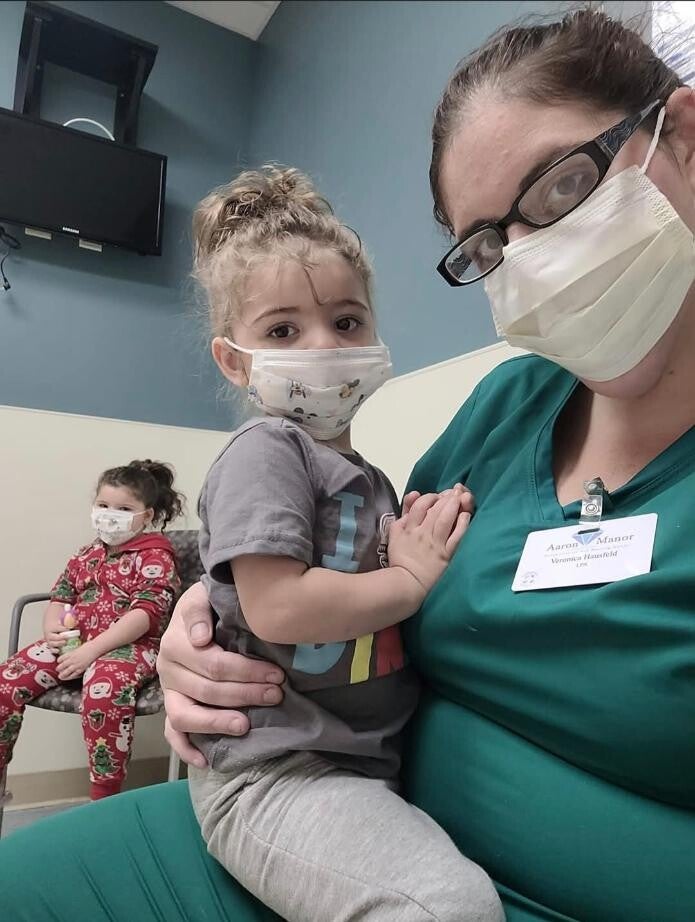
The strain brought home to families
When nurses and caregivers spend twelve-hour shifts or more operating in crisis mode, they often return home emotionally depleted. Chronic fatigue leads to withdrawal, shorter tempers, and missed milestones. Partners and children frequently bear the emotional weight of secondary trauma, navigating a loved one who gives everything to their patients with very little energy left for family life.
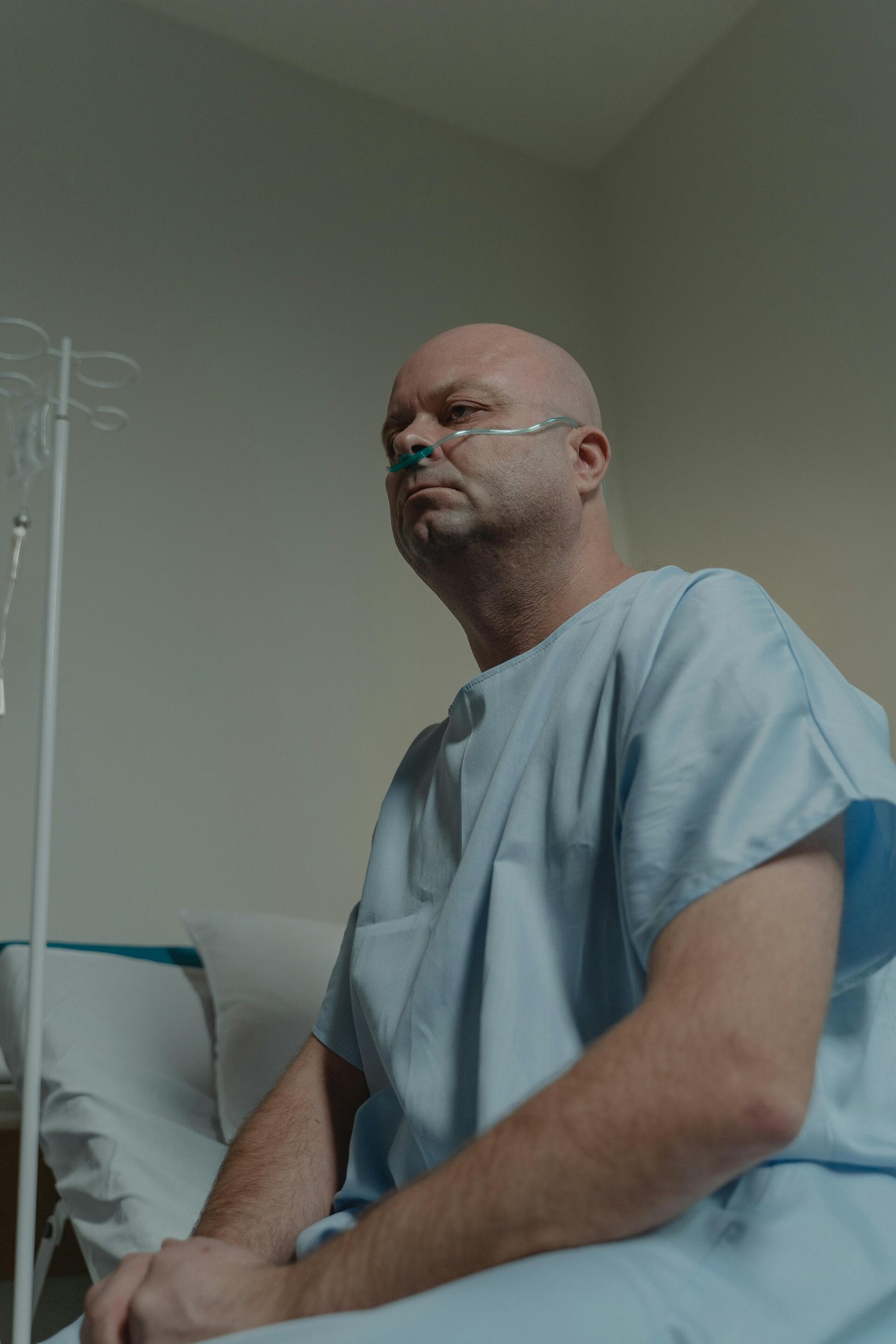
The direct consequence on client care and safety
Compassion fatigue and cognitive overload do more than exhaust staff; they directly threaten patient outcomes. When attention spans are fractured by systemic stress, the risk of medication errors, delayed responses, and reduced clinical vigilance increases. Clients quickly sense when care becomes transactional, losing the compassionate connection essential for genuine healing.

Reclaiming safety and presence
Acknowledging how burnout cascades outward is the first step toward meaningful recovery. Protecting our families and clients requires structural support from organizations alongside intentional personal boundaries. When healthcare workers are supported and rested, they return to their families with warmth and deliver the attentive, life-saving care every client deserves.
Create Your Own Website With Webador